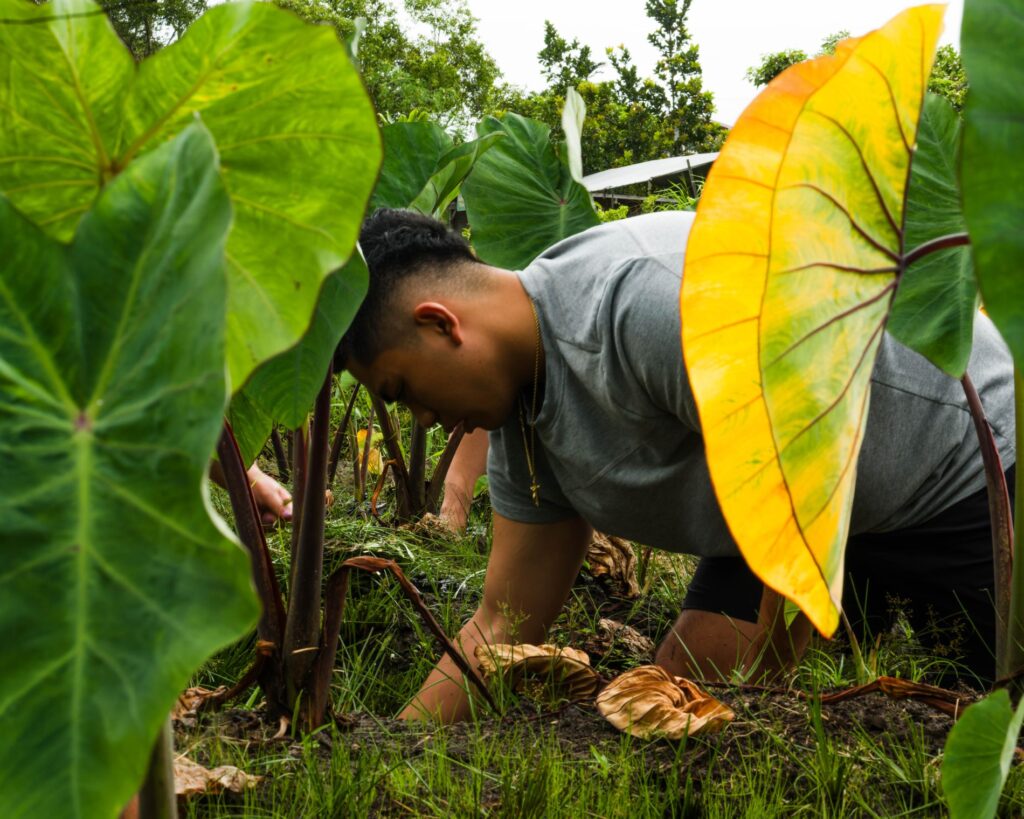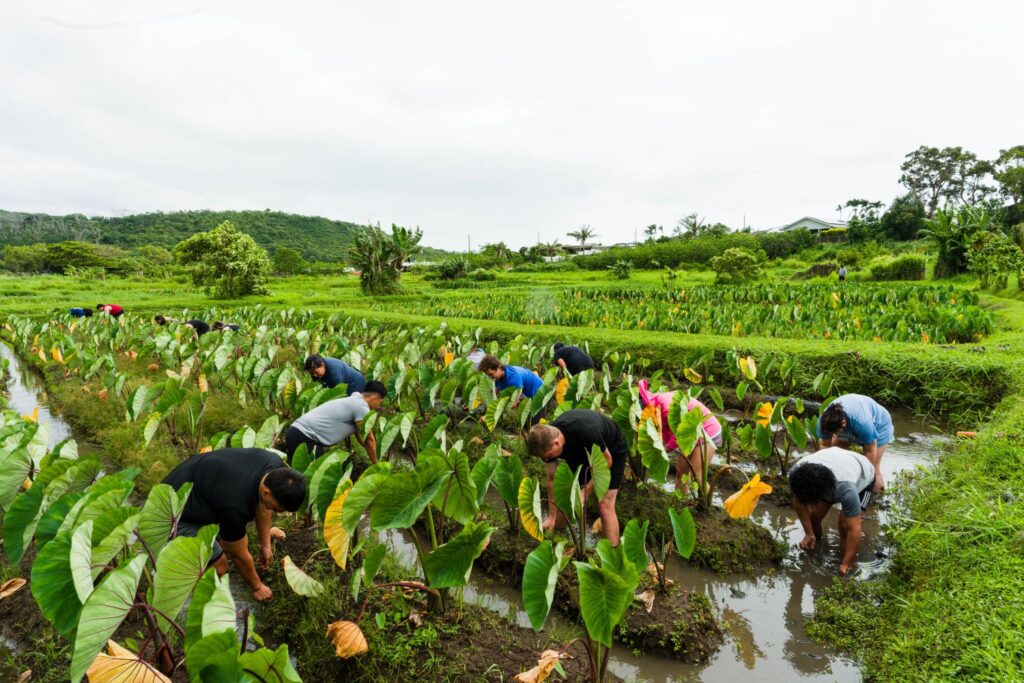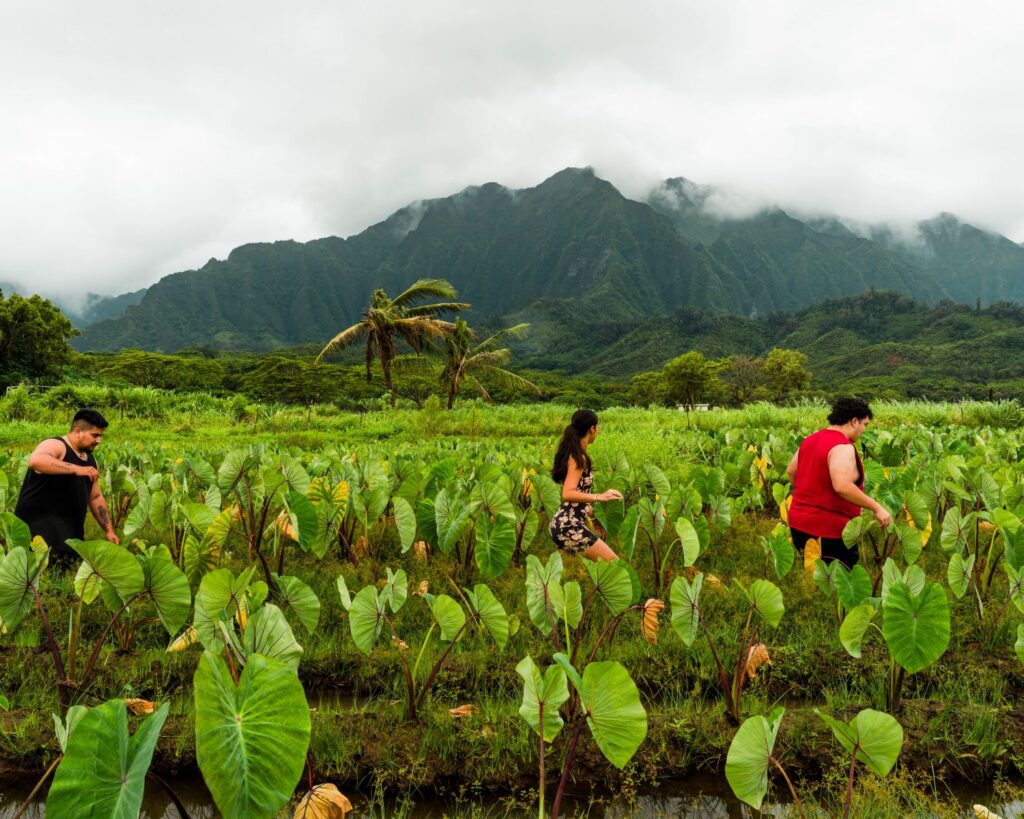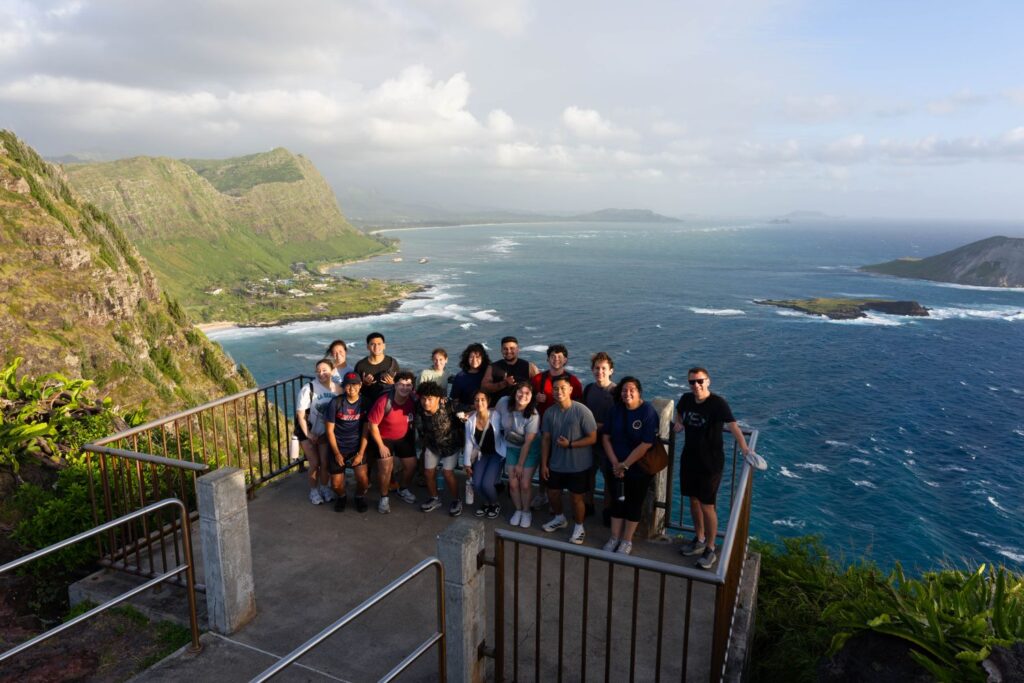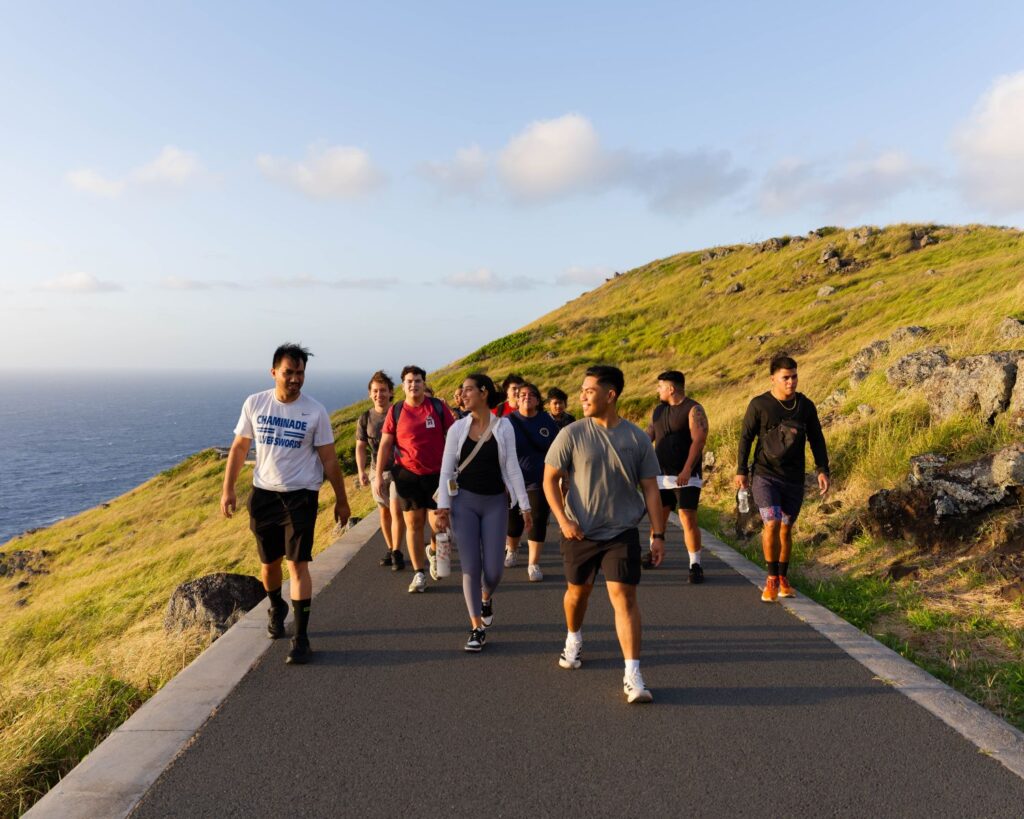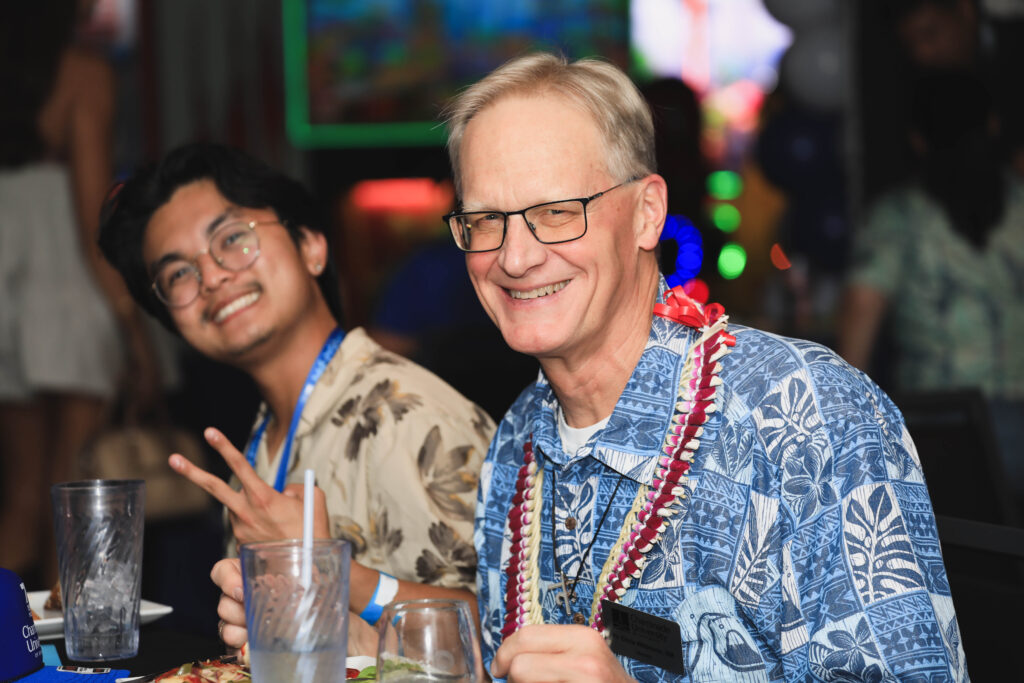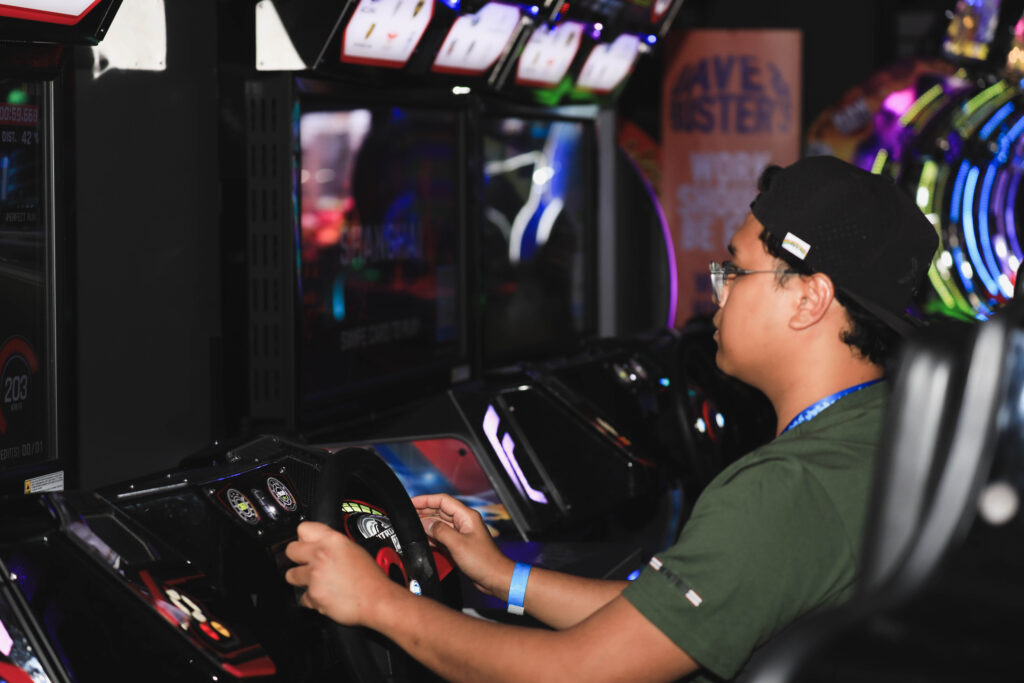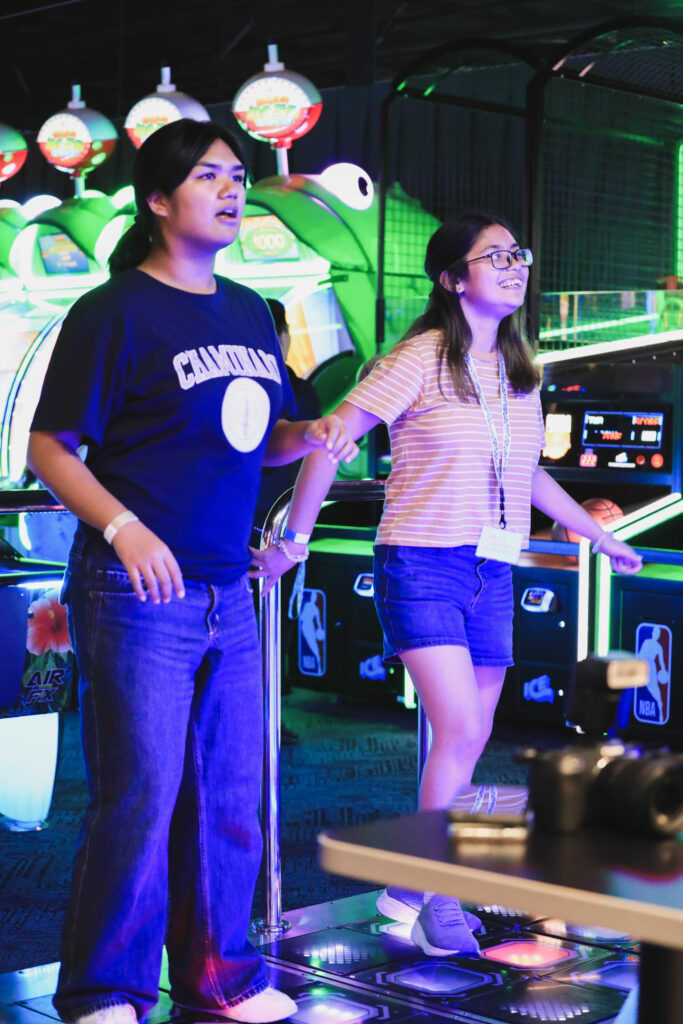
With mud between their fingers and toes, students stood at the loʻi patch taking in the fresh air, lush scenery, water, history of the loʻi and the warmth of aloha. They were part of the L.E.A.D with Mary cultural immersion experience which brought students from across the country and Hawaiʻi together in the spirit of the Marianist founders to learn more about Hawaiian culture.
“We learned a lot about what it means to honor the land,” said one student from San Antonio, Texas as she stood in the loʻi or taro patch. “If we take care of the land, it will take care of us.”
Chaminade University hosted the week-long L.E.A.D. with Mary for the first time this summer. Now in its third year, the program was previously hosted by St. Mary’s University in San Antonio, Texas and the University of Dayton in Dayton, Ohio. These institutions, along with Chaminade, are the nation’s three Marianist universities.
Each university selected four students through an application process to participate in the program. The immersion experience is designed to help students learn more about the Marianist tradition through the culture of the host school’s location.
The Hawaiʻi experience was planned by Scarlett Ford, Campus Minister, and her team at Chaminade. The team included individuals born and raised in Hawaiʻi, to ensure that each activity and location was culturally appropriate and respectful of the islands’ sacred places and natural environment.
Each activity was tailored to Hawaii’s unique environment and the Marianist values. L.E.A.D. with Mary offered students the opportunity to deepen their faith while learning more about both Hawaiian and Catholic spirituality.
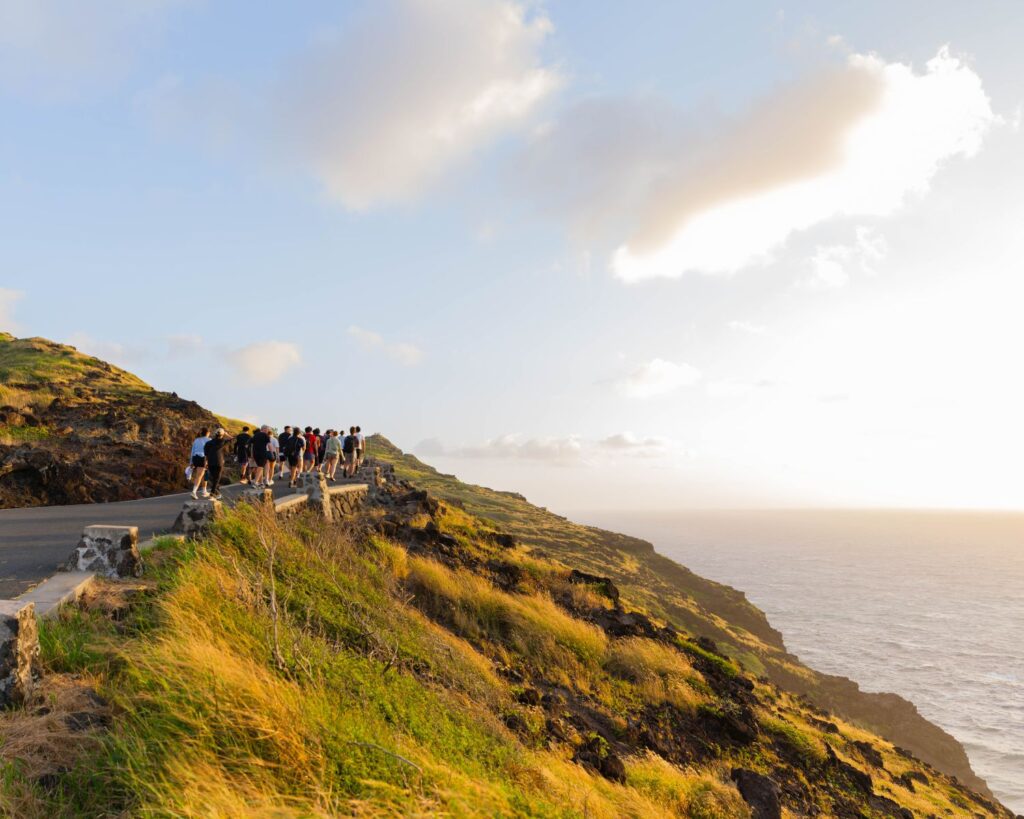
After the out-of-state students arrived on Wednesday afternoon, the program began early Thursday morning with a sunrise hike and morning prayer at Makapuʻu. The group also stopped at Halona Blowhole Lookout before making their way to Iolani Palace for a docent-led tour. The evening concluded with dinner at Kahala Hotel & Resort, a dolphin show and an evening prayer.
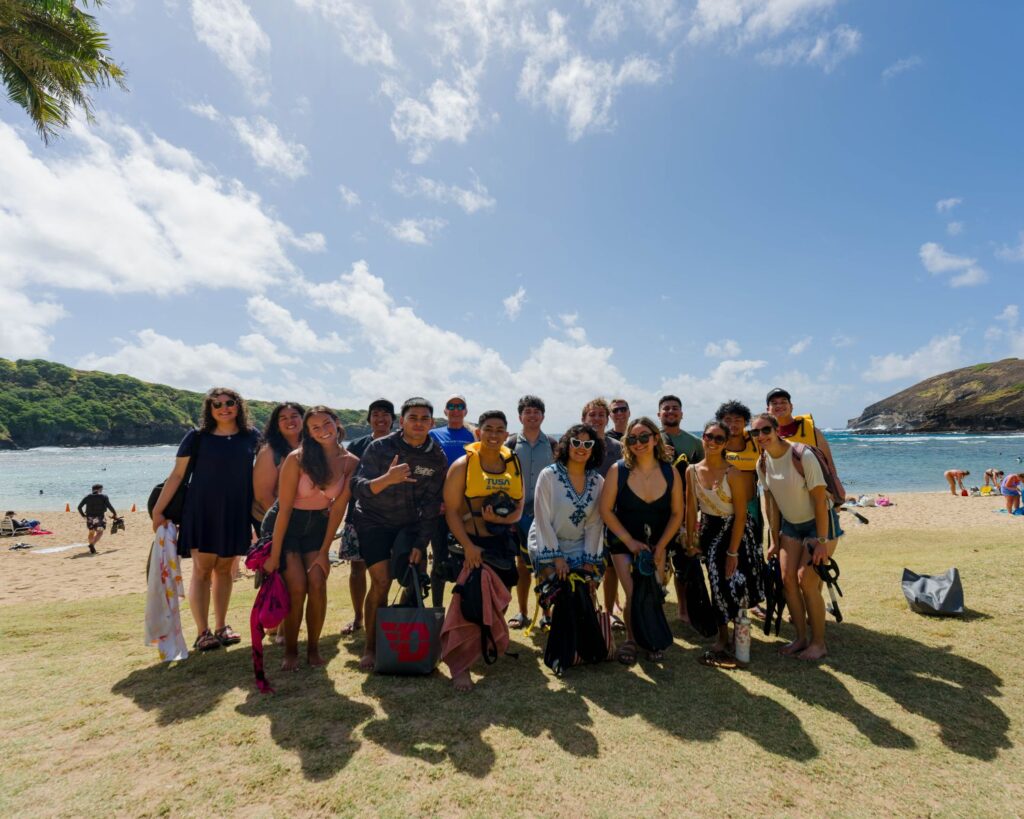
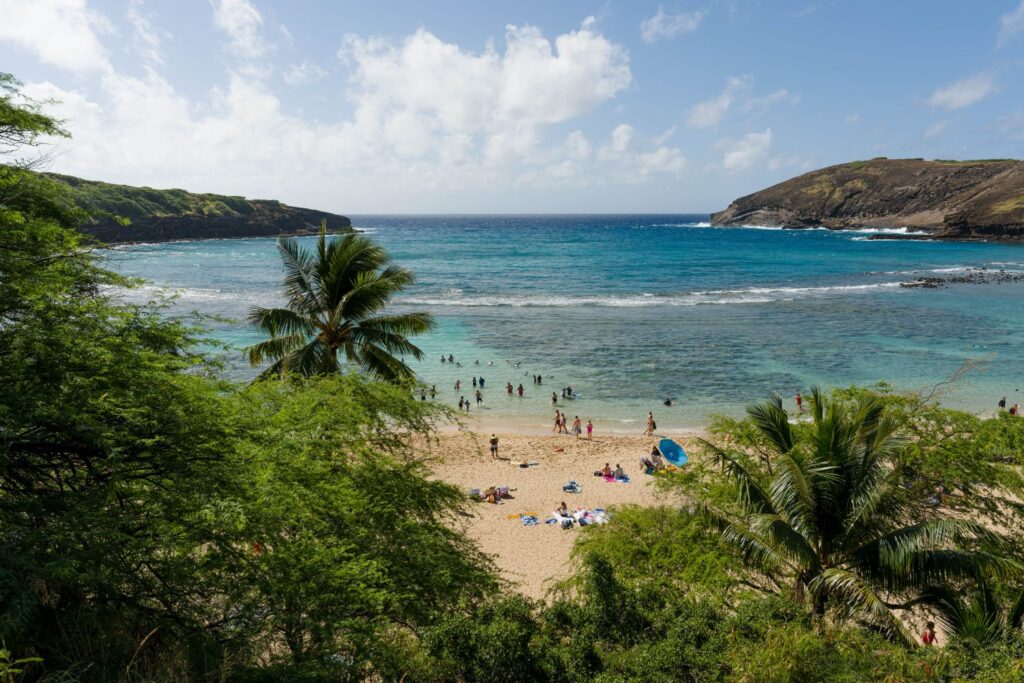
Friday’s main experiences were Hanauma Bay snorkeling in the morning after prayer and a guided tour in the afternoon of Hawaiian Hall at Bishop Museum, home to the world’s largest display of Polynesian cultural artifacts.
“Yes, it’s fun but there’s also a deeper purpose of growing an understanding of God’s creation and why it’s important to take care of it,” Ford said.
That focus on faith, reflection, and stewardship continued throughout the weekend. It was filled with prayer, Bible study and optional group activities from shopping to hiking Mānoa Falls and visiting Ala Moana beach park. On Saturday, the group took a trip to a loʻi patch, where they tended to the taro patch in knee-deep mud. On Sunday, there was Mass and the group prepared for one of the most anticipated experiences of the week.
At 7 a.m. on Memorial Day, the group left campus and headed for the airport to begin their journey to Kalaupapa on the island of Molokaʻi.
“We’re going on small, nine passenger planes,” Ford told the students to prepare them for the flight and landing on the short runway.
Kalaupapa is a significant place in Hawaiʻi’s history. People with Hansen’s disease (leprosy) were forcibly isolated there. More than 8,000 people, primarily Native Hawaiians, have passed away on Kalaupapa since 1866.
Kalaupapa was also home to the two Catholic saints who helped those affected by Hansen’s disease. One was St. Damien de Veuster, a Belgian priest who arrived in Kalaupapa in 1873. He passed away from Hansen’s disease in 1889. St. Marianne Cope, a German-born Franciscan nun, moved to Kalaupapa in 1888 to assist Father Damien in caring for those affected by Hansen’s disease. She died of natural causes in 1918.
Today, Kalaupapa is home to a small number of cured patient-residents and visitation is only offered by guided tours. The L.E.A.D. with Mary group was able to include Mass on Kalaupapa in their tour before returning to Oʻahu later that evening.
Tuesday was their last full day, and they used it to help the community. They prepared care packages and lunch for people experiencing homelessness.
“It’s an opportunity to learn more about the Marianist charisms through acts of service,” Ford said. “We’re going to a homeless shelter to help out.”
They ended the day by participating in Mass with a final prayer.
As the week came to a close, students gained a deeper understanding of Marianist values and Hawaiian culture. Through prayer, reflection, service and immersion in local history, students experienced firsthand the values that unite the nation’s three Marianist universities.