
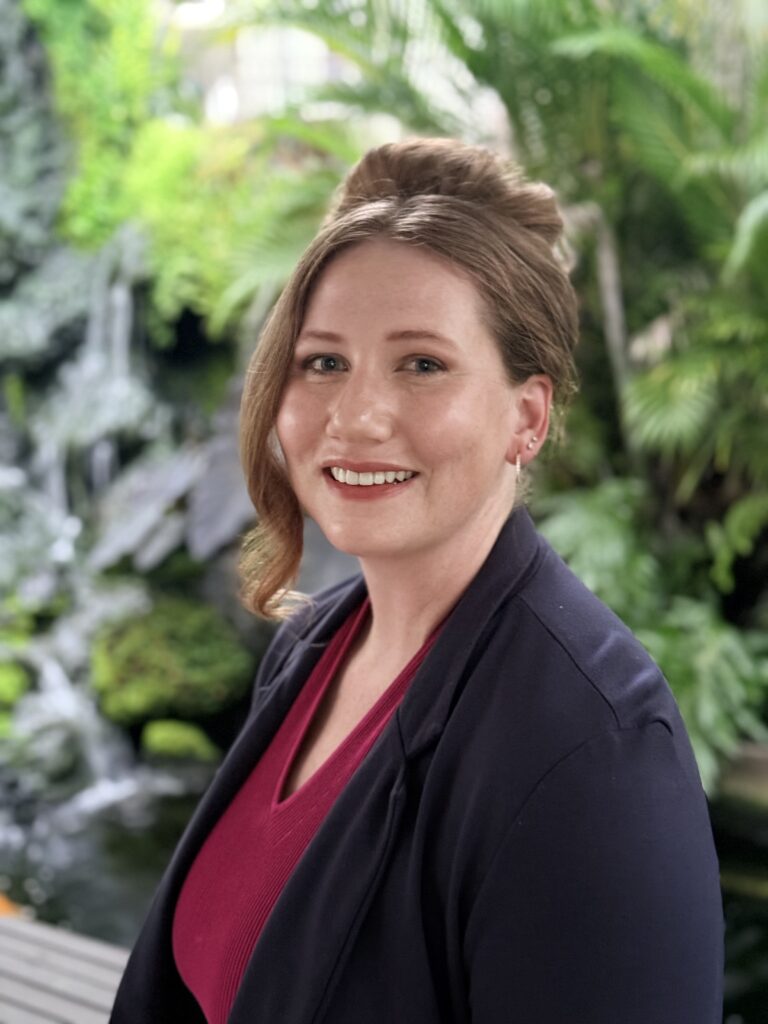
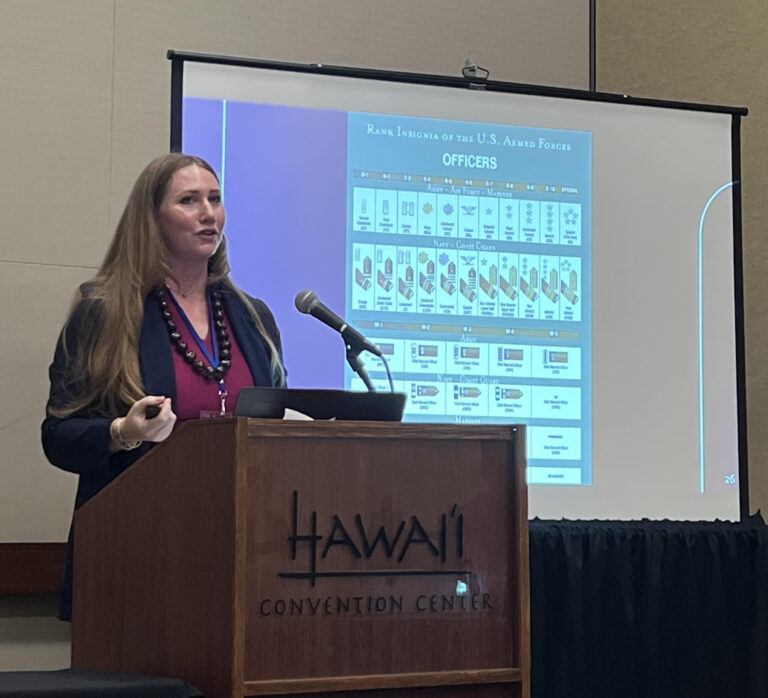
Before beginning her doctoral studies at Chaminade University, Lauren Jacobs spent nine years as a U.S. Navy Nuclear Submarine Officer, serving in one of the first cohorts of women assigned to submarines. A 2013 graduate of the Naval Academy, Jacobs is dedicated to military service, which sparked a passion for supporting those facing mental health challenges and inspired her to pursue a career in forensic psychology.
Today, Jacobs is a doctoral candidate in Chaminade’s Clinical Psychology (Psy.D.) program, where she also serves as Student Association President. Expected to graduate in May 2027, she has focused her clinical training on working with adults experiencing serious mental illness within the criminal justice system. In recognition of her leadership, service, and commitment to creating positive change, Jacobs was recently named a 2026 Tillman Scholar by the Pat Tillman Foundation. We recently connected with her to learn more about her journey, her passion for serving others, and her goals for the future.
Where is your hometown?
I grew up in Plano, Texas, and my husband and I have called Kailua home for the last seven years.
Why did you choose the Naval Academy?
Looking back, applying to and choosing to attend the United States Naval Academy (USNA) was a big decision for a teenager. I wanted to be part of something greater than myself and to join a community of like-minded people. Academics and athletics were both mainstays of my high school life: I played volleyball and ran track competitively while earning an International Baccalaureate (IB) diploma, so I wanted a college experience that valued academics, athletics, and leadership in equal measure.
Why did you choose Chaminade for your doctorate degree?
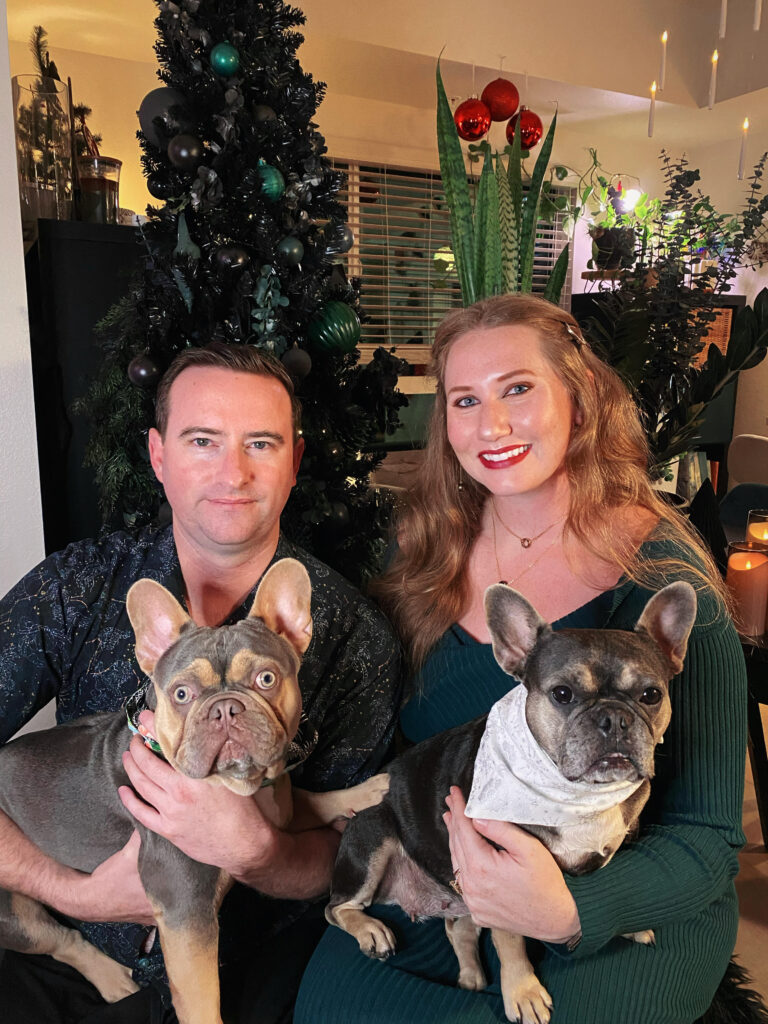
My husband Andrew and I were stationed on Oʻahu in 2019 and completely fell in love with living here. We’ve been lucky to build a wonderful community of friends and family over the years, so when it came time to go back to school, I knew I wanted to stay. Chaminade’s Doctorate in Clinical Psychology (PsyD) program within the Hawai’i School of Professional Psychology (HSPP) offers a generalist education with an emphasis on cultural humility and adaptability to the diverse patient populations across the islands. I was drawn to both the variety and the depth of training the program provides.
What has your experience at Chaminade been like?
I would not trade my time at Chaminade for anything. Chaminade’s HSPP has passionate faculty and staff who come from a wide variety of backgrounds and prioritize mentoring psychologists in training. The clinical training I’ve received has been thorough enough to make me competitive with psychology interns across the United States and Canada. Providing much-needed psychological services to Hawaiʻi residents while completing our coursework has been deeply meaningful to me. My mentors and supervisors have been some of the best I’ve had the privilege to work with, and I wouldn’t be where I am today without them. Many of my classmates in the program have also become lifelong friends, and that community is one I truly cherish.
How did you hear about the Tillman Foundation?
At USNA, we learned about Pat Tillman’s story in our ethics, leadership, and professional development courses. Over the years, I heard more about the Tillman Foundation’s work as it grew, and I watched several of my USNA classmates and submarine colleagues get selected as Tillman Scholars. Their example inspired me to apply.
What does being a Tillman Scholar mean?
To me, being a Tillman Scholar means choosing service to our communities as a guiding value, often above personal ambition and comfort. Switching career paths from Nuclear Submarine Officer to Clinical Psychologist was never going to be an easy road, but it felt imperative to put my experience and talents toward making a positive difference in my community, no matter how small the impact. I’m grateful the Tillman Foundation saw value in that sacrifice and in the goals behind it.
Are you working while going to school?
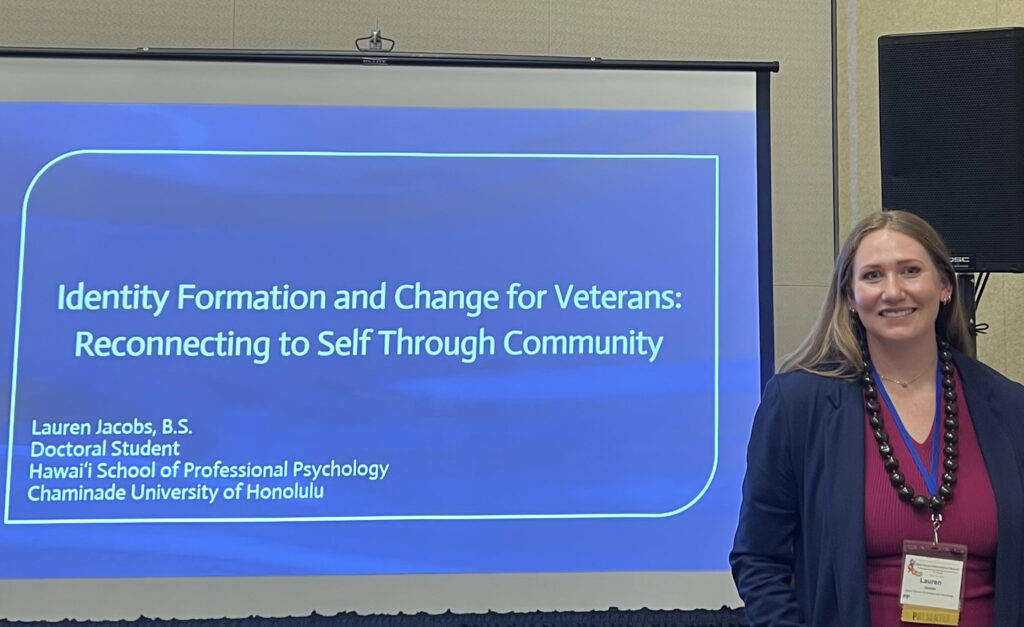
I’ve worked as a teaching assistant for several courses in the PsyD program, alongside completing our academic and research obligations. A unique aspect of earning a doctorate in Clinical Psychology is that roughly half of our workload consists of clinical training: providing psychological services to members of our community under supervision. Balancing that professional training with research and coursework is essential to becoming an effective psychologist, since this profession demands lifelong learning. I’ve learned to juggle it all by leaning on my support system here on Oʻahu: my husband, sister, brother-in-law, friends, and fellow veterans.
Anything else you’d like to share?
I am deeply grateful to the faculty for their mentorship and guidance, and to my friends and colleagues for making this experience both fun and supportive. I would also like to thank the Pat Tillman Foundation for this amazing opportunity.