
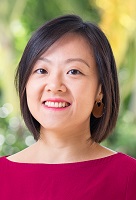
Guanlin Gao, Ph.D.
Director, Economic Education Center for Excellence
Associate Professor of Economics
Dr. Guanlin Gao is an Associate Professor of Economics at the School of Business and Communication and the inaugural Director of the Economic Education Center for Excellence at Chaminade University. Dr. Gao received her doctoral degree in economics in 2015 from Georgia State University and was a faculty member at Indiana University South Bend prior to joining Chaminade University in 2017. She believes that “a mind is not a vessel to be filled, but a fire to be kindled.” Dr. Gao has provided training services to K-12 teachers since 2016. She has received multiple awards in teaching, research, and student mentoring, including the Theodore C. Boyden Excellence in Teaching Economics Award, Fr. Bolin Excellence in Scholarship Award, and President Mackey Outstanding Mentor Award. Dr. Gao was recognized as a distinguished faculty by Chaminade University in 2021.
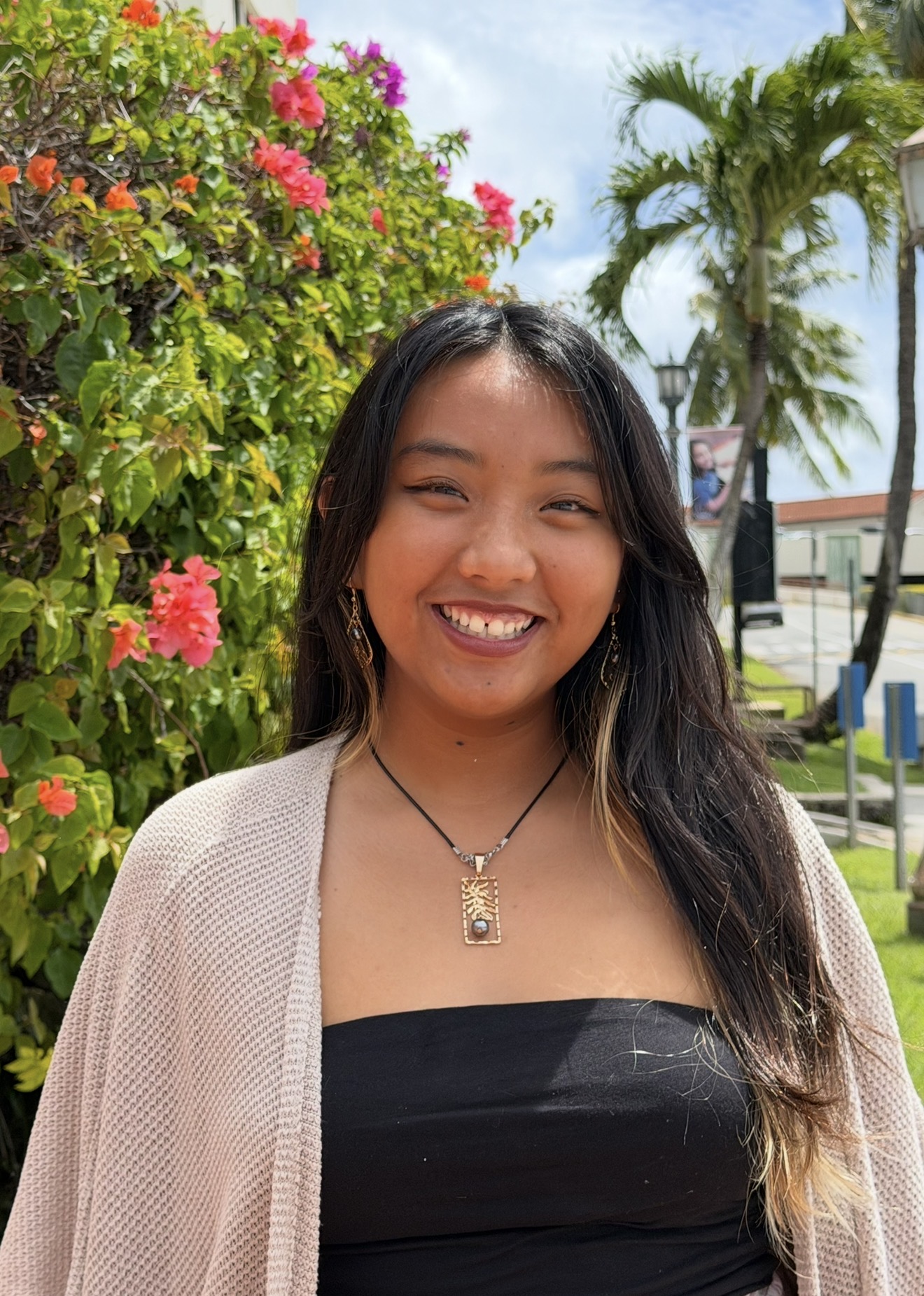
Nathalie David
EECE Student Trainee
Nathalie David is a second-year Chaminade University student majoring in Business Administration. Through EECE, she hopes to deepen her understanding of economics, contribute to research, and share her knowledge with the community. Outside of school, she loves spending her days doing something artistic and spending time with friends and family.

Aniken Perman
EECE Student Trainee
Aniken Perman is a Business Administration student at Chaminade University and a student researcher with EECE. His background includes research, technology, leadership, and community service, with experience spanning university research, IT support, and the U.S. Army Reserve.
Ryden Iwamoto
EECE Affiliate
Ryden Iwamoto is a second-year at the University of Chicago studying economics and data science. He is the founder and former Executive Director of HI Econ and is a Director for the Oahu Economic Development Board. Ryden seeks to help others deepen their understanding of and appreciation for key economic concepts that drive their everyday lives and to support beneficial change in the realm of economics for future generations.