
Early education is all about experiential learning. So it makes sense that critical coursework for aspiring early education and Montessori teachers should be hands-on, too.
And that’s exactly the idea behind Chaminade’s Summer Montessori Methods course.
Early Childhood and Montessori Programs Director Elizabeth Park, Ph.D. says the course is designed to immerse students in the core areas of Montessori education and turn Hawaiʻi into a “living classroom,” complete with excursions.
Among this year’s highlights:
- Students learned from Kumu Kaipoʻi Kelling, MEd ’06, who shared the ancient Hawaiian creation chant Kumulipo and demonstrated how children can learn through storytelling.
- On July 19, participants visited Pali Lookout and other significant sites on Oahu with Kumu Leilani Antone, MAT ’17, who explored how Montessori principles can be integrated with Hawaiian knowledge systems in the classroom, including through math, art and science.
- Students also got the chance to visit a local Montessori school to see the method in action, observing the prepared environment, child-led learning and classroom dynamics.
Park explained that the Summer Montessori Methods course is offered to students in select Chaminade degree or certificate programs, including the Bachelor of Science in Early Childhood Montessori Education and Master of Arts in Teaching with a concentration in early education.
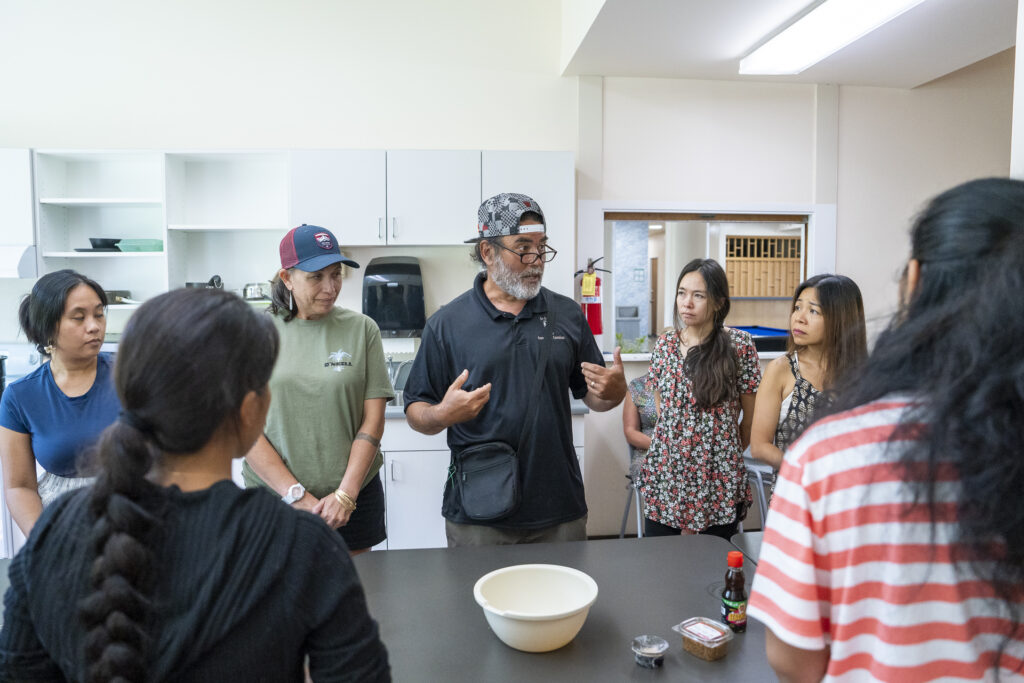
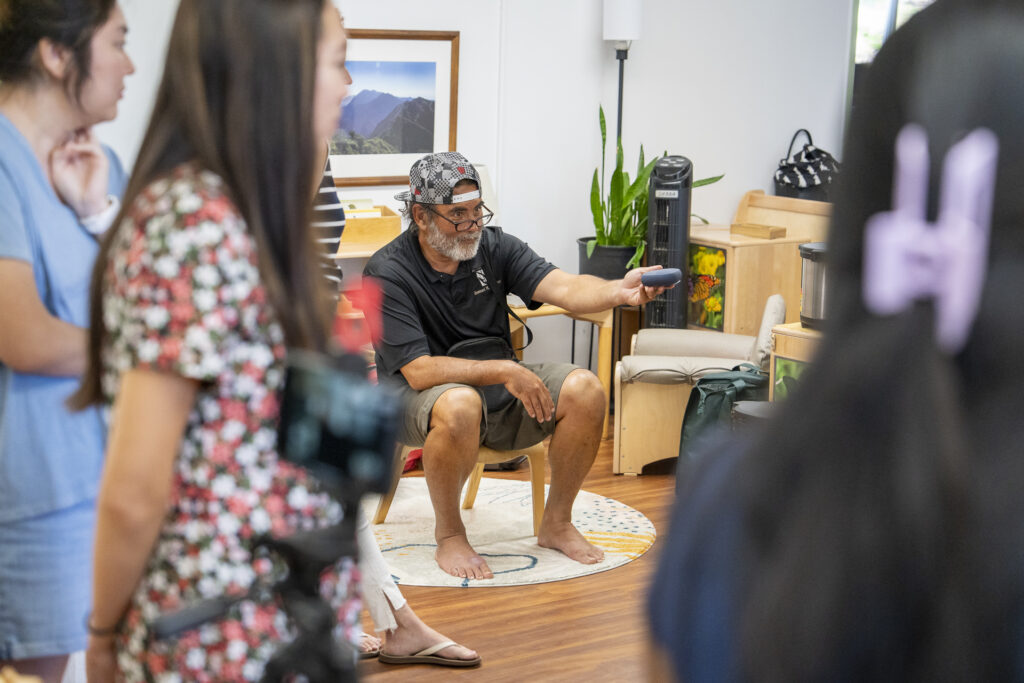
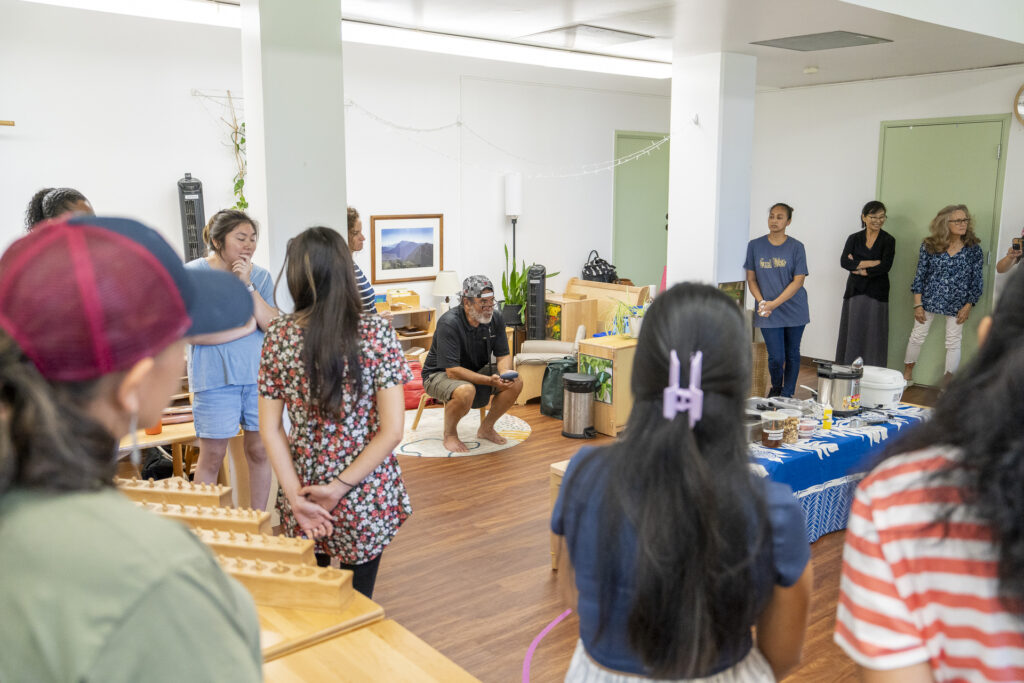
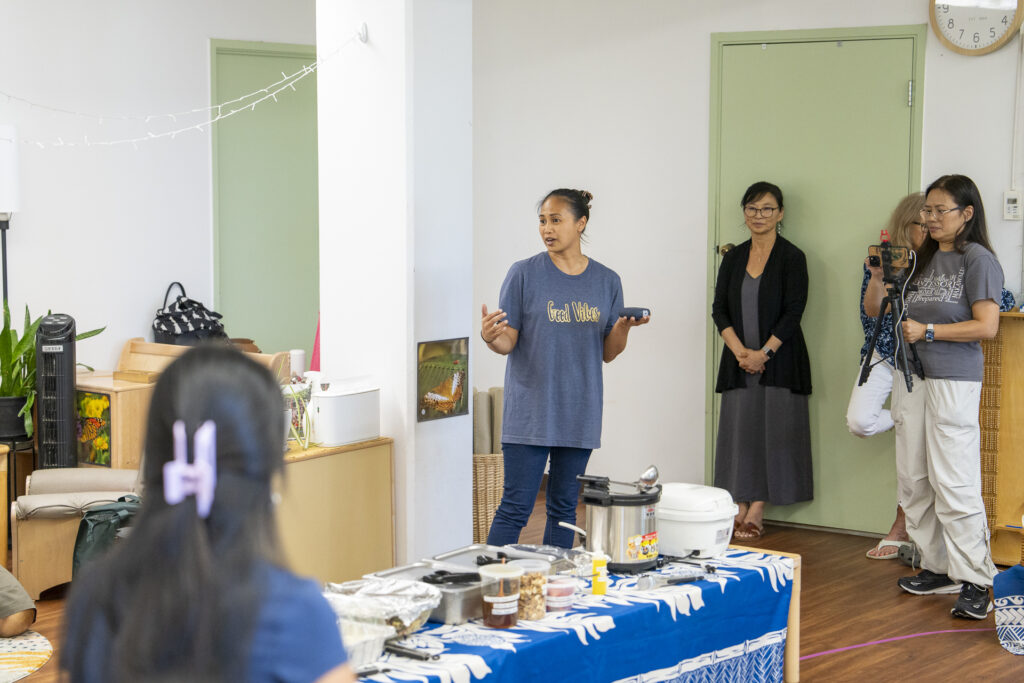
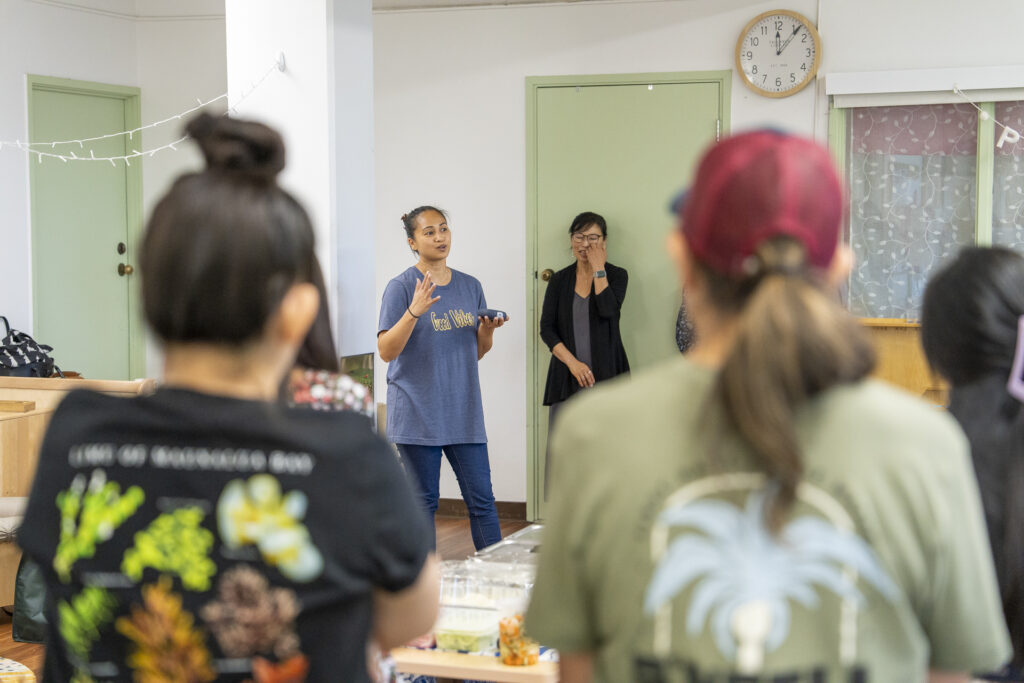
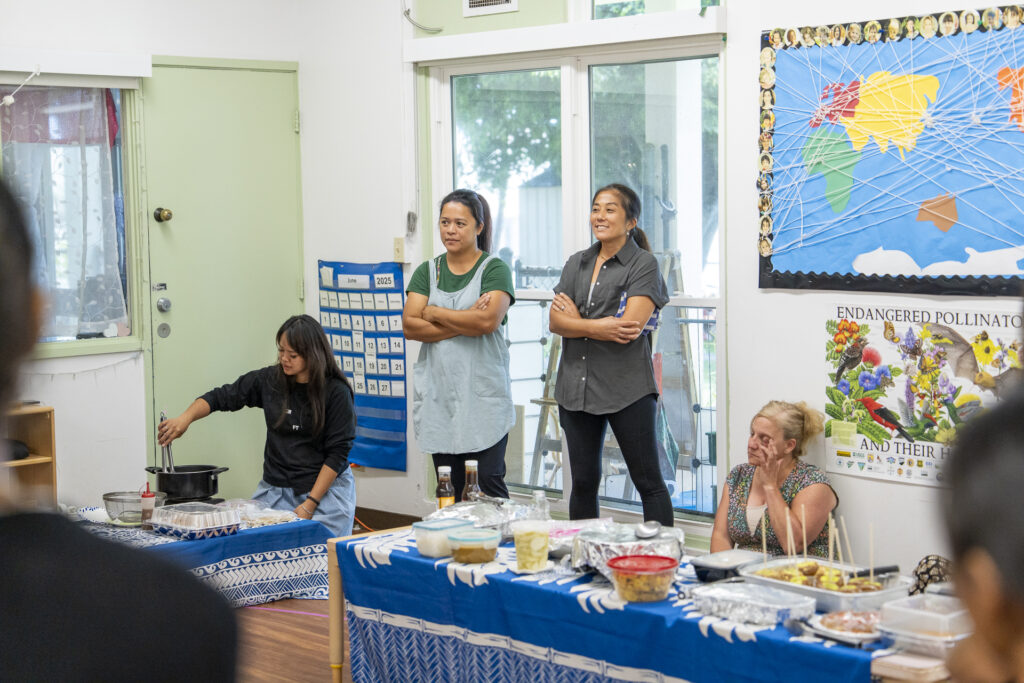
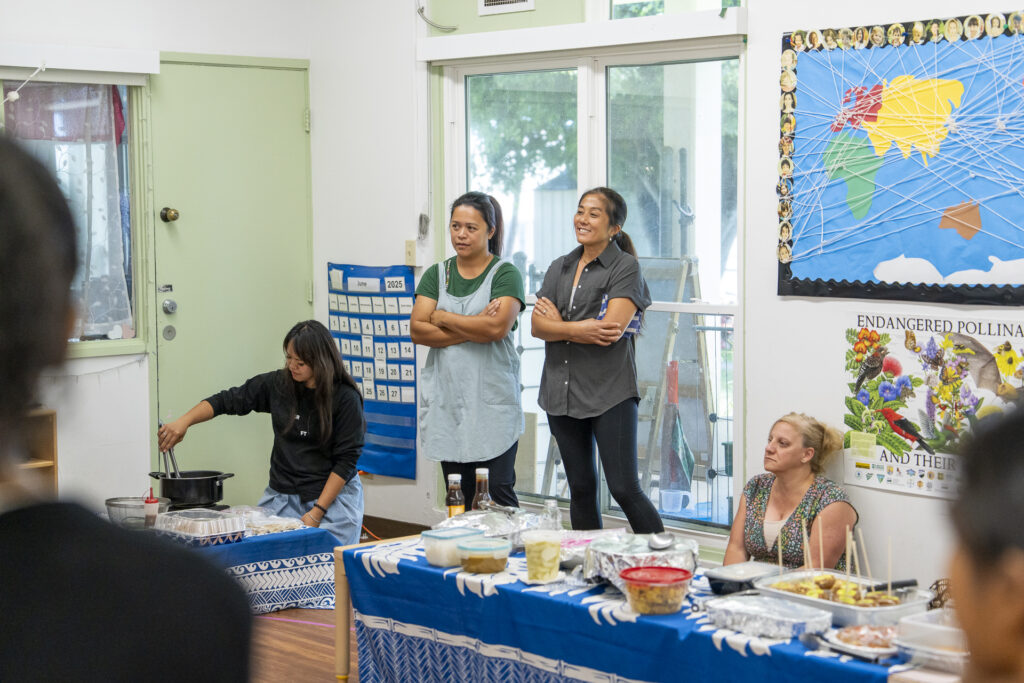
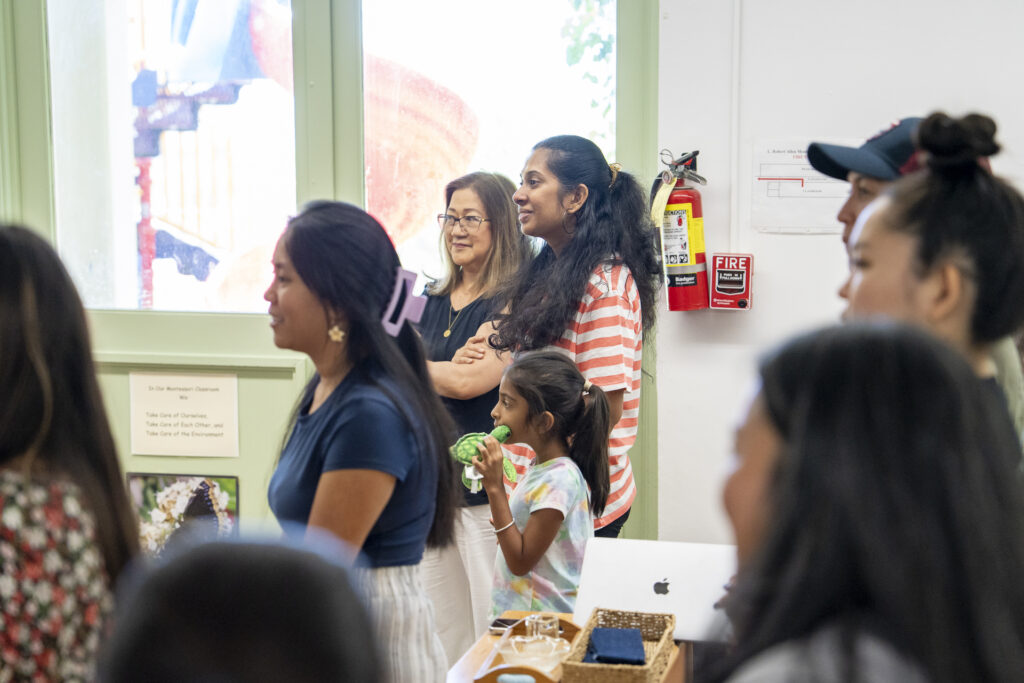
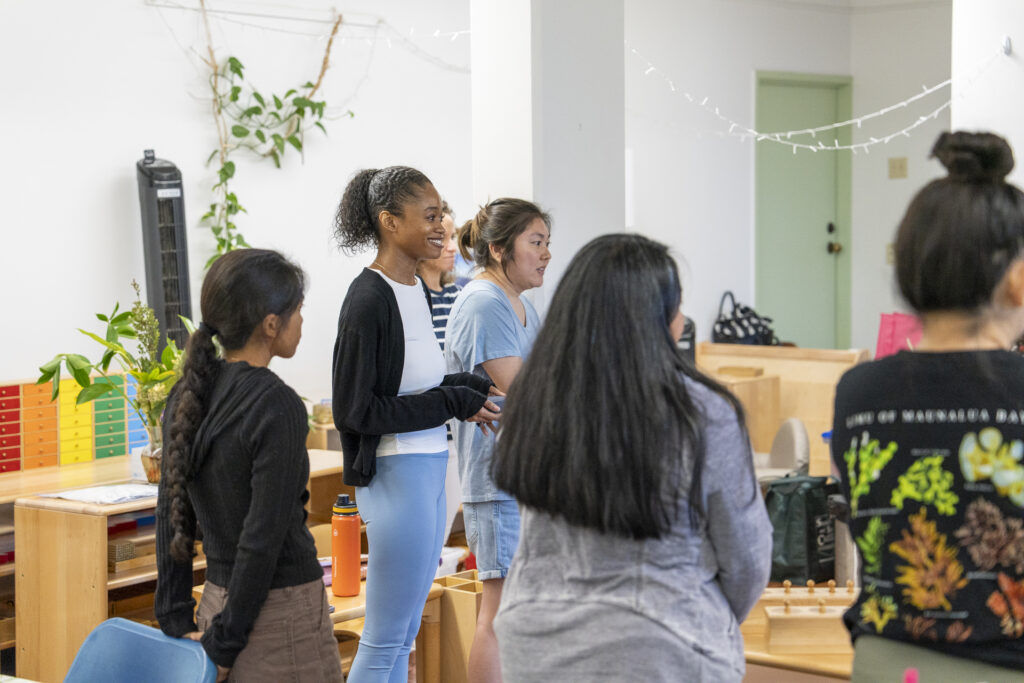
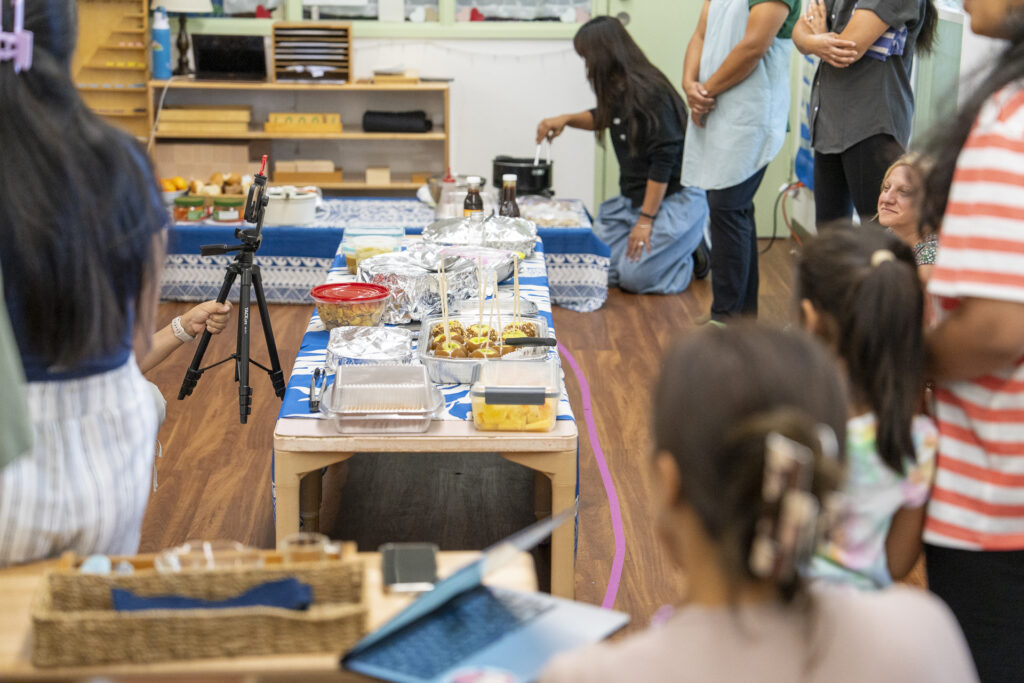
This summer, 22 students at varying points of their degrees participated.
“A central goal of the program is to connect Montessori philosophy with place-based education,” Park said.
“As our host place, Hawai‘i provides a culturally and ecologically rich environment that allows students to explore how local context, land, and culture can be meaningfully integrated into Montessori practice. This immersive summer experience prepares students to become reflective and culturally grounded educators.”
Never miss a post! Follow Chaminade University on Facebook and Instagram.
Park explained that Montessori education is fundamentally different from traditional teaching models, with a focus on the whole child.
“Children learn through hands-on materials, self-directed activity, and purposeful work in prepared environments that foster independence, concentration, and a deep love of learning,” she said.
“In today’s tech-obsessed world, Montessori offers a refreshing and necessary balance. It grounds children in real, tactile experiences before introducing abstract or digital concepts. Instead of screen time, children manipulate concrete materials that help them understand math, language, and the world around them in meaningful ways.”
Chaminade operates a Montessori Laboratory School on campus in addition to several pathways for aspiring Montessori teachers.
To learn more about Chaminade’s Montessori Laboratory School, click here.